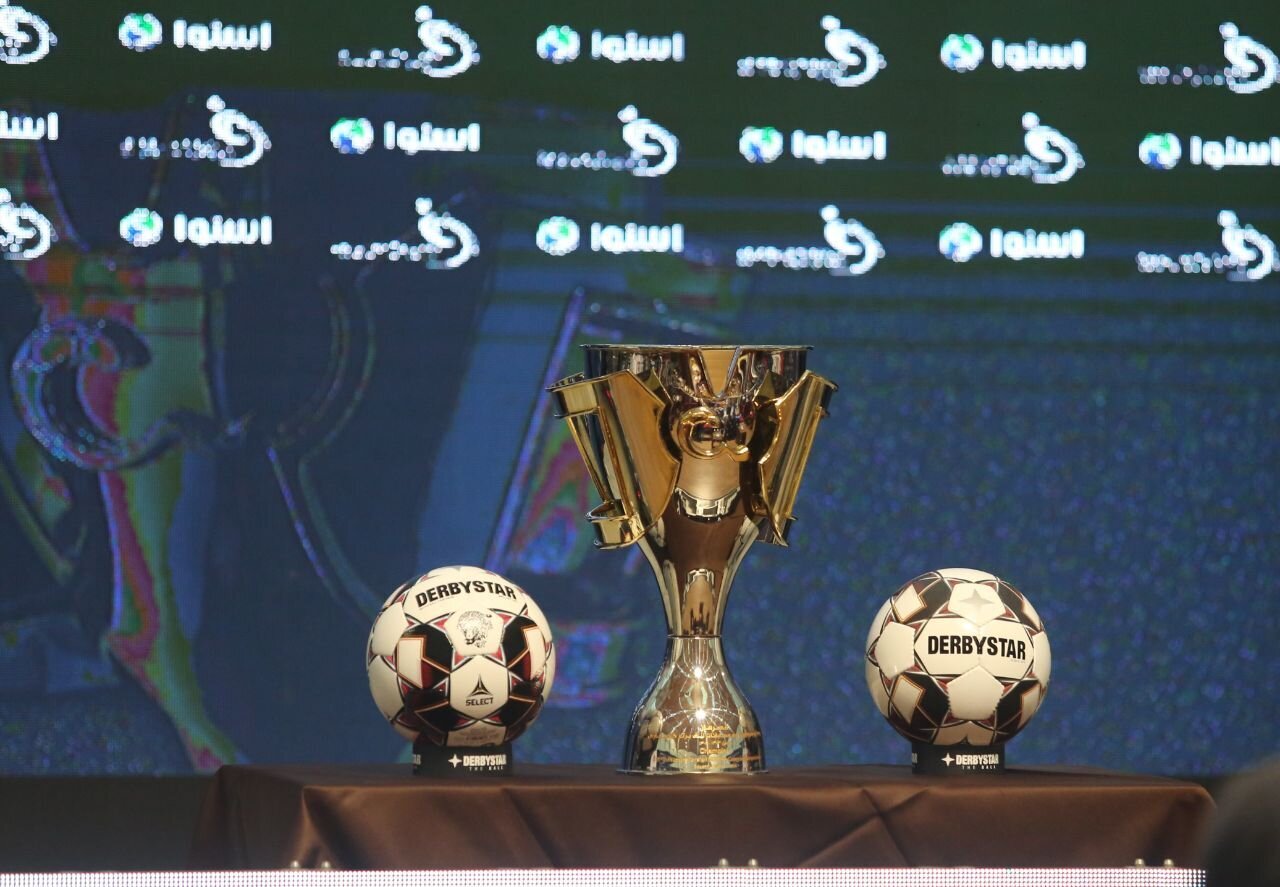
Iranian football has long occupied an unusual position in the global game. The domestic league is one of the oldest and most established in Asia, the national team has qualified for multiple World Cups and is consistently ranked among the continent’s strongest sides, and the country’s passion for football is as intense as anywhere in the world. Yet the Persian Gulf Pro League remains largely unknown to audiences outside the region, its clubs underrepresented in international competition, and its players often overlooked by European scouts who focus their attention elsewhere. That picture is beginning to change.
The Persian Gulf Pro League: Structure and Scale
The Persian Gulf Pro League is the top division of Iranian club football, currently consisting of 16 clubs competing across a full home-and-away league season. The competition has its roots in the Iranian Football League established in the 1970s, making it one of the longest-running top-flight leagues in Asian football. Sponsorship from the Persian Gulf petrochemical industry has given the competition a commercial identity that distinguishes it from many of its regional equivalents.
The dominant clubs in recent decades have included Persepolis, Esteghlal, Sepahan, and Foolad, each with substantial supporter bases and histories that in some cases stretch back to the 1940s and 1950s. The Tehran derby between Persepolis and Esteghlal is one of the most-watched domestic fixtures in Asian football, regularly drawing capacity crowds to the Azadi Stadium and generating a level of intensity that reflects how deeply embedded club rivalries are in Iranian football culture.
Iran’s National Team and the World Cup Platform
Team Melli, as the Iranian national team is known, has been a consistent presence at World Cups since the 1990s and has qualified for every edition since 2006. The 2022 World Cup in Qatar raised the team’s international profile considerably, with competitive performances that demonstrated both the quality available in the squad and the tactical organisation that has become a hallmark of the national team setup.
The exposure that World Cup qualification brings to Iranian football extends beyond the national team. When Iranian players perform well on the global stage, interest in the domestic league that produced them follows. Clubs that can point to national team regulars in their squads benefit from the association, and the league as a whole gains visibility from the attention that World Cup campaigns generate in international football media.
Iranian Players in European Football
The pipeline of Iranian players into European football has grown steadily over the past decade. Clubs in the Bundesliga, Serie A, and leagues across Eastern Europe and the Netherlands have signed Iranian players, both those who have developed through the Persian Gulf Pro League and those from the significant Iranian diaspora communities in Europe. The success of these players in competitive European environments has helped shift perceptions of Iranian football quality among scouts and club officials who previously paid little attention to the region.
The flow of talent also works in the other direction. The Persian Gulf Pro League has attracted foreign players from across Africa, South America, and Eastern Europe, raising the technical level of the competition and giving it an international character that purely domestic leagues can lack. The presence of experienced foreign players in the league has also helped develop younger Iranian players who train and compete alongside them.
The AFC Champions League and Regional Competition
Iranian clubs have historically been among the strongest performers in the AFC Champions League, Asia’s premier club competition. Persepolis, Esteghlal, and Sepahan have all reached the final of the competition in recent editions, and the performances of Iranian clubs in continental competition have been one of the clearest demonstrations of the Persian Gulf Pro League’s quality relative to other Asian leagues.
The expansion of the AFC Champions League Elite format has given more Iranian clubs access to the continental stage and has increased the number of matches involving Persian Gulf Pro League sides that are broadcast internationally. Regional competition of this kind is one of the most effective ways for a domestic league to build its international profile, and the continued strong performance of Iranian clubs in Asian competition has been a significant factor in the league’s growing visibility.
International Audiences and How They Follow the League
The Persian Gulf Pro League draws its international audience primarily from the Iranian diaspora, which is spread across North America, Europe, and Australia, as well as from football fans across the Middle East and Central Asia who follow the competition through regional broadcast platforms. The growth of sports streaming has made the league more accessible to international audiences than at any previous point, and platforms that aggregate sports content from across the world have played a role in exposing new audiences to Iranian club football. Sports engagement platforms popular across the region, such as hititbet, reflect the appetite for Persian Gulf Pro League coverage among sports audiences who follow the competition alongside other major leagues. That kind of integration into mainstream sports platforms is an important marker of a league’s growing international standing.
What Growth Looks Like From Here
The Persian Gulf Pro League’s path to greater international recognition runs through several interconnected developments. Continued strong performance by Iranian clubs in the AFC Champions League Elite keeps the competition in front of Asian football audiences. World Cup qualification cycles generate media attention and interest in the players who will represent Iran. The ongoing movement of Iranian players to European clubs creates a connection between the domestic league and audiences who follow those players’ careers.
The foundation is already strong. A league with deep domestic roots, genuinely competitive clubs, a passionate fanbase, and a national team that competes seriously at World Cups has more going for it than many competitions that receive far greater international coverage. The question for the Persian Gulf Pro League is less about whether it has the quality to attract a global audience and more about the infrastructure needed to reach that audience effectively. The signs in 2026 are that both the awareness and the infrastructure are developing in the right direction.
